海角乱伦社区

Q&A with Janita

janita14-200x300.jpg

The star of Finland Center鈥檚 upcoming fundraiser is singer Janita, whose chart-topping hits many Finns remember from the early 1990s. The now 30-year-old singer will be performing her new music, which she has dubbed 鈥渁lternative soul,鈥 for the benefit of the abused women of the Democratic Republic of the Congo this Wednesday. We sat down with Janita to find out what kind of a show we are in for, and to hear her thoughts on the music business and her own future.

Had you heard much about the situation in the DRC prior to agreeing to perform in The Panzi Hospital fundraiser?

鈥淣o, I hadn鈥檛. I just finished reading a book called Poisonwood Bible that deals with the history of the country, but I wasn鈥檛 very aware of the current situation. Based on what I know now, this is a cause I am happy to support. There is a lot abuse of women in Africa, on many levels. This is clearly something we can have an impact in, so I鈥檒l gladly do what I can to help. I鈥檇 love to be more involved in doing charity work. One of the most positive experiences of my early career was when a girl who was dying of cancer got in touch with me. I went to visit her in the hospital and we developed a type of a friendship. This affected me deeply. I鈥檓 glad if I can help people who I don鈥檛 even know. There are so many wrongdoings in the world, so I feel it鈥檚 our responsibility to help.鈥

What are your expectations for Wednesday鈥檚 event and why should people come hear you sing?

鈥淔irst and foremost, I hope we鈥檒l get many people to come to the event and can raise as much money as possible. And of course I want everyone to have a great time, so that they鈥檒l support Finland Center in the future, too. I want to do my best when performing. I sing from my heart and I will work hard to touch people from deep within. Musically, this will be interesting for me, since I normally perform with just a guitar, base and drums. But I noticed that there鈥檚 a grand piano at the club, so we thought we鈥檇 take advantage of it. I think it鈥檒l be an easier set of songs because of the fancy surroundings. It won鈥檛 be a rock concert. What I鈥檓 striving for is to give people something genuine. It鈥檒l be a bit more rough and gentle, and the whole spectrum. We鈥檙e all packages made of layers and on Wednesday we鈥檒l go through the different layers within me. I鈥檝e termed my music 鈥渁lternative soul.鈥

Many people remember your pop songs from the 1990s. Nowadays your music is very different. How did that transformation come about?

鈥滻 was really young back then. A person that age can鈥檛 really decide what she wants to do, but that music felt like the right match. There was nothing fake about it. Even though I鈥檝e changed my style radically, I can see that my whole career has had a common thread going through it. It鈥檚 the natural growth of an artist and I have always had my own thing as a foundation. During the time in between my early years and now, I did a bit of jazzy music, which did well in the US and Japan. I have been releasing records in Japan since I was 17. I also have a lot of listeners in Seattle and Atlanta, but the US is such a big country that to be widely recognized requires a lot of work. Over the last few years I鈥檝e moved onto music that has alternative shades of tones. I have been listening to different types of music than I ever did before, mixing it up. I have a lot of influences.鈥

How does it feel to be a little fish in a big pond in New York, when in Finland you were a big fish in a little pond?

鈥淣ew York is a very difficult place to build a career. It can be very frustrating, because it seems there鈥檚 no progress at all. The only way to be successful in New York is if you become a widely known big artist. I haven鈥檛 managed to do it yet and it鈥檚 not even a priority for me, but of course it would be nice. I have performed in front of 5,000 people in a festival elsewhere in the US, but it doesn鈥檛 count for much here in New York. It鈥檚 a different world. The smartest thing would probably be to go to a place where you can be a big fish in a small pond. But I live here because the city inspires me. I have friends here and a foundation to build upon. New York kind of sucks in that it is so addictive. I鈥檓 addicted to the energy that I simultaneously hate. If I was only thinking of success, it would make more sense for me to move to Seattle and go from there.鈥

What鈥檚 new with you and your music?

鈥淚鈥檓 going through a transitional phase right now, as there have been many changes in my personal life. I seem to find out more about myself everyday. New York is a hectic place: You are always on the go and you don鈥檛 have much time for self-exploration. I just finished recording my new album, Haunted. It has been released in Finland, and I鈥檓 working on the US release. I put a lot of my heart and soul to it.鈥

janita3.jpg

You sing in English and you鈥檝e lived in the U.S. for nearly 14 years. How is your Finnish nowadays?听

鈥淭oday I couldn鈥檛 think of such a simple word in Finnish as 鈥渋ntelligence.鈥 It鈥檚 important to notice this happening. As a kid, I remember meeting someone who couldn鈥檛 speak good Finnish anymore, and I realized that this is not what I want for myself. I have a friend who has an awesome book collection of Finnish classics, so I borrow books from her. I go through a lot of trouble to maintain my vocabulary, in case I ever have to write anything in Finnish again. So I haven鈥檛 become another . In the last few years I鈥檝e started valuing my Finnish roots more, and all that is related to being Finnish, more so than when I left the country as a 17-year-old kid, thinking that 鈥淎merica is the best.鈥 My views have changed somehow. I love thinking I鈥檓 a citizen of two countries and it鈥檚 important for me to understand both of the cultures that made me who I am today. In some ways I feel half American, but at the same time I think there are so many good things about being Finnish and European: The depth of our thinking, our cultural values, and how well we鈥檝e been educated.鈥

Do you ever think about moving back to Finland or are you a New Yorker for life?

鈥淵es, the thought of moving crosses my mind every now and then and I want to keep my options open. But I just decided today that I鈥檒l spend the next three years here. I got my green card a few years ago, and I don鈥檛 want to risk losing it. It was like a rock fell from my heart, especially because I like New York so much. In some ways commitment is a peaceful thing. When you commit to something, it takes the anxiety away. It has a soothing effect, whether it鈥檚 in a relationship or in deciding where to live. But you can鈥檛 just be in New York and push forward, you have to get out of the city sometimes. Yet there鈥檚 something in this energy that鈥檚 addictive. Something is always happening. But also, there鈥檚 so much happening that you don鈥檛 even remember what happened last night. That鈥檚 the good and bad side of New York at the same time. Though I鈥檒l never leave for good, I also don鈥檛 want to spend the rest of my life in New York. I see Europe in my future, but I don鈥檛 know what part yet.鈥

Any final words on why people should come to The Panzi Hospital fundraiser on December 16th?

鈥淚 think this time of the year is great for events like this. We are living in abundance and Christmas is an important time to think about these things. Another responsibility we have in life is to make it as good as possible for ourselves. So any opportunity we have to celebrate and do something good, it鈥檚 extremely important to take advantage of it. I also know this event will be very cool. Salmagundi has a good atmosphere to start with, and when you add music to that and pool, which is one of my favorite hobbies, and an informative documentary film and all the good company, why would you not go?鈥

Q&A with Ambassador Jarmo Viinanen

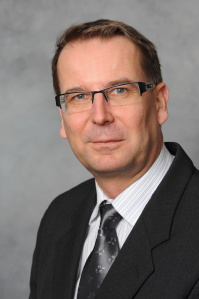
viinanen31.jpg

Finland鈥檚 Permanent Mission to the UN is one of the two gold sponsors of Finland Center鈥檚 December 16th fundraiser supporting the work of the Panzi Hospital in the Democratic Republic of the Congo. We spoke with Ambassador Jarmo Viinanen about the situation in the DRC, violence against women and about gender equality issues in Finland.

What motivated the Finnish mission to the UN to become a gold sponsor for the Panzi Hospital ?

鈥淭wo reasons. The first is the seriousness of the situation in the DRC, and the fact that violence against women is something that happens all too often worldwide. In the DRC, violence against women is now used as a war weapon, as a means of terrorism. When women are raped, they are stigmatized and isolated from the society. The Panzi Hospital offers both physical and mental support for these women who are victims of rape and other types of violence. So it鈥檚 an easy cause to support. We also want to support 海角乱伦社区鈥檚 valuable work. It鈥檚 not easy to raise money for such a sensitive cause. It takes a lot of effort. So from that perspective, it鈥檚 nice to be able to support Finland Center in this. This event combines a lot of good things.鈥

For those people who haven鈥檛 followed the situation closely, what exactly is happening in the Democratic Republic of the Congo?

鈥淭he situation in a nutshell is that after the genocide in Rwanda, many Hutus escaped to Eastern Congo to get away from Rwandan officials and the Tutsis. They鈥檝e been there for about 15 years now. While the Hutus occasionally strike into Rwanda, above all the problem is that they are making the situation very volatile in the DRC, a country the size of Western Europe. So this is a huge country with several tribes and groups, and not much law and order. Internal conflicts and violence between the different groups are problems that are present more or less all the time. Amidst all of this it is the women who have become the victims of attacks.鈥

Why are women听 targeted?听

鈥淧artly it might be a systematic thing: these people want to break down the whole society by targeting women. Violence against women causes tremendous physical and mental damage as it harms the whole society and its ability to survive. Another reason might be that people鈥檚 perceptions of right and wrong get weakened in war situations. People become more corrupt, and are willing to do things that would be unheard of in an organized society. They become lone soldiers who will do whatever it takes to survive and to claim their place in society. Peoples鈥 moral codes are clearly weakened during long periods of violence.鈥

When the scale of the problem is as big as it is in the DRC, how much can we really help with small fundraising events such as the one at the Salmagundi Club on Dec. 16?

鈥淓verything helps, even smaller-scale events. The benefits of fundraisers like this one are two-fold: one is that we鈥檒l directly support an institution that helps women who have become victims of violence. The second is that we鈥檒l increase awareness of this issue. What we are talking about here is violence that is hard to describe, where the women are not only raped: their genitals are slashed and mutilated, their uteruses are ripped out, their rectums are slashed. This all causes such complications that they can never live normal lives again. That鈥檚 why The Panzi Hospital鈥檚 work is very important. These women need extensive surgeries to be able to lead any kinds of lives. Talking about issues like this is very difficult. Our own code of morals tells us that this is something that is clearly wrong, and we find it hard to even discuss these terrible things. It鈥檚 much easier to just be quiet. So increasing awareness, whether it鈥檚 in the US or in Finland, is important. People need to know that this is going on and that we need to do something about it. By organizing fundraisers like this we鈥檒l hopefully be able to mobilize people and to get violence against women to decrease.鈥

Has the United Nations done anything to combat the situation in the DRC?

鈥淵es it has, several things. There is a big peacekeeping operation in the DCR, with 20,000 peacekeepers altogether. The mission of this operation is specifically to protect the civilians. But this hasn鈥檛 worked out that well because it鈥檚 a huge country with millions of people and the troop size is still relatively small considering that. In addition, the Congolese troops and, to some extent, even the peacekeepers have ended up contributing to the violence either directly by raping women or indirectly by buying prostitutes鈥 services. Apparently even some UN peacekeepers have been guilty of this. It鈥檚 a very complicated thing.鈥

But if the peacekeepers know that they were sent the DRC to protect the civilians, how is it that they then start raping the women and making the problem worse?

鈥淚 know that this seems inconceivable, and definitely hurts the credibility of the UN.听 This is a really serious matter. Unfortunately, as we have learned from thousands of years of history, whenever there鈥檚 a situation of war and there are a lot of soldiers, who are usually male, violence against women becomes a problem. So while it鈥檚 hard to understand that some peacekeepers would do this, one just needs to look at history. It鈥檚 hard to say whether the situation is worse now than before, but at least there鈥檚 more awareness now of what鈥檚 happening and that we need to stop it.鈥

How big of a problem is violence against women in Finland?

鈥淣early 20 women die each year in Finland as a result of domestic violence. That鈥檚 a major number in our statistics. According to studies, domestic violence is more common in Finland than in many other European countries. So that goes to show that Finland, too, has a culture of violence, even though there isn鈥檛 a particular reason for it. Again, if we look at historical facts, the prevalence of violence of all types peaked in the country during the 10-15 years that followed war. For a long time the violence in the society reflected the fact that people had lived through war and violence themselves.鈥

Finland is often considered a model country of gender equality.听Does it deserve that reputation?

鈥漌hen it comes to gender equality, Finland is doing really well in principle. And of course if we compare the country internationally, we can call the it the model country for equality. In terms of law, men and women are equal in Finland. We have a female president, and more female than male ministers in the government. The percentage of women in the work force is very large and that is possible because of our good daycare system. It鈥檚 clear that when women are earning money, it makes them more equal in relation to their husbands. But this doesn鈥檛 mean that we wouldn鈥檛 have any issues to deal with, though not so much in terms of law but in putting it to practice. Many of these issues are deep-rooted in the society and don鈥檛 have clear reasons, like domestic violence. And while we have more female politicians these days,, in the business world there are very few women on the top. This has to do with traditions and educational backgrounds of people. Business leaders have traditionally been engineers in Finland, and the bulk of engineering students are naturally male. And when you are choosing who to hire, you鈥檙e more likely to hire people you know, maybe people you studied with. So that鈥檚 one explanation.鈥

What could we do to improve gender equality worldwide?

鈥淭he one thing to do would be to guarantee education possibilities for girls. This is one of the biggest equality problems worldwide. In situations where there鈥檚 no public school system and you have to pay for school, the families are almost guaranteed to educate the boy child. That鈥檚 the universal rule. When girls are given an equal opportunity to get educated, from elementary school to the university level, this promotes gender equality more than anything. Finland鈥檚 experiences in this are clear. We鈥檝e had gender equality in education for a very long time, and access to education hasn鈥檛 been determined by your gender. Nowadays we have more women in universities than men. Countries like Finland can promote gender equality worldwide by designating funding for the education sectors of developing countries. That way we can train more teachers, so that we can educate more children. This is the way to do it.鈥

How much have you worked with gender equality issues in your career?

鈥淧reviously in my career it wasn鈥檛 a very central focus, but it has been more so since I got appointed as the UN ambassador of Finland. If there鈥檚 one thing that defines Finland鈥檚 role in the UN, it is our focus on promoting gender equality. This is very important for us. For example, Finland has paid money into a UNDP fund that covers the cost of a female representative from a developing country to travel to an environmental summit. If a delegation already has two men traveling to a conference, and they choose to bring an additional member and it鈥檚 a woman, we will pay for her trip. We think it鈥檚 important that women鈥檚 voices are heard in climate change discussions, because they are the first ones experiencing its effects. In many countries it is the women who take care of the families鈥 everyday lives, and if it becomes harder to fetch water due to drought, for example, women will notice it first. That鈥檚 why we want to hear women鈥檚 perspectives in all international summits, including the climate change conferences. Also, the more women there are involved in peace processes and negotiations as peacemakers, the more their points of view come up: what peace means to them and what kinds of things we need to pay attention to. If it鈥檚 men waging wars and using guns, and then the same men do peace negotiations, we all understand it鈥檚 not a good system. But if women are included in peace negotiations, I think that this would help take into consideration the matters that really affect people鈥檚 lives.鈥

Finally, why should people come to The Panzi Hospital fundraiser on December 16th?

鈥淚t鈥檚 worth coming to the event because this is a way to help the women and girls who have been victims of unfathomable violence. This is a way to do something good, offer concrete help, and be involved in aid work. Also, I expect it to be a fun night and that we鈥檒l have a great time!鈥

Q&A with Alexandra Alexis

By Laura Palotie

New York is a city of actors and musicians, and it comes as no surprise that its population of Finnish artists is as diverse as the city鈥檚 creative scene as a whole. This Friday, members and friends of Finland Center will have the opportunity to cheer on the budding career of pop singer Alexandra Alexis who, over the past two years, has embarked on the city鈥檚 music scene with joy, confidence and tenacity. This past summer, I sat down with Ms. Alexis to learn about her background, her upcoming album, and her busy day-to day routines as she promotes her work and builds her personal brand. Believe it or not, making it in New York seems to be a less complicated process than doing the same in Finland.

alexandra-alexis1.jpg

One of your big breaks was performing in the Helsinki cast of the musical Hairspray. But looking further back, how did you first get into performing?

鈥淚鈥檝e dug music and performing ever since I was little, but it may have been during my high school years in Finland that I really started getting into music seriously. I was in the special music track in high school, and once during choir rehearsal my teacher suggested I take on a couple of solos. So from there, it just took off for me; every time I got to perform in front of an audience, I realized that I really enjoyed it and could do it well.鈥

So how did your solo career begin?

鈥淲hen I was part of Hairspray, I used to also perform gigs around Helsinki. I went and promoted my music around town whenever I had time. Maybe it was just the drive to build a larger career. I got into this pattern where after the curtain call I washed off my stage makeup, put on new makeup and rushed to a club to perform there. Then the next morning I had to get up for rehearsal and was totally wiped. I flew to Asia for a few weekends too; after I was finished at the theater, I鈥檇 hop on a plane around midnight, fly to Bangkok for a day, perform a gig and fly back. It was crazy but it was fun.鈥

Even though you went to high school and got your career started in Finland, you spent most of your childhood here in New York. When did you decide to move back to the city, and why?

鈥淢y mother is Finnish and my father is of French descent. They met in New York City in the 1980s, so I was born and raised here. This time around I鈥檝e been here for about a year and a half. After being in Finland for a few years, I started really missing New York; I started yearning for a challenge and feeling like I had seen everything there was to see in Finland. At the end of the day it鈥檚 a small place, and after you perform the local club circuit a few times, there aren鈥檛 a lot of other places you can go; you just wait for your next album to finish so you can go perform again. The circles in New York are so much bigger; there are more places to throw gigs and promote your music, so it felt like the right place for me. I moved back here in 2007.鈥

Have you run into any surprises, now that you鈥檙e living in the city as an artist?

鈥淚t鈥檚 interesting; just last week I did an interview with a reporter for a Finnish newspaper, and was asked the same question I always get from Finns: 鈥淲hy are you choosing to come here to make a career happen? Isn鈥檛 it a lot more difficult?鈥 they ask. The truth is, I think it鈥檚 a lot easier. In Finland, there鈥檚 almost a pervasive attitude of 鈥渆verything is hard鈥 if one wants to do something artistic. In Finland I heard 鈥渘o鈥 a lot more, and it was a lot harder to promote my music and book gigs there. Here, everyone just says 鈥渙h that鈥檚 great, that鈥檚 fabulous鈥 and are so excited about everything. If you have a strong single in hand, are talented and have assembled a good team behind you, it鈥檚 really easy to start doing things.鈥

Do you write your own music?

鈥淚 write a lot, and have several books full of material, but when I get beats from producers, I like to figure out melodies that go with those beats. The first single on my upcoming album was finished in just a few hours. I heard it and thought it was awesome. I got all kinds of ideas right away, sang melodies on top of the beats, and before we knew it, the song was finished.鈥

Your new album is coming out later this fall. What can you tell us about it?

鈥淚鈥檓 working with a couple of producers: Nicholas Wright, who has worked with Beyonce and Jordin Sparks and is doing Shakira鈥檚 new album. I met him at a nightclub called 鈥楾he Box.鈥 His beats are very Lady GaGa, Kylie Minogue-esque, club-type of beats, a lot of fun. I鈥檝e done some R&B type material in the past, but this time it鈥檚 all pop and dance.鈥

How did you come up with the album鈥檚 name, 鈥楳ay Cause Shortness of Breath?鈥

鈥淲e went over ideas for names with my publicist, and I said how lame it is when people put their own names in their album titles. Then we thought, what if we approached dance music as a kind of medicine you had to take? And what would this medicine bottle say? 鈥淢ay cause shortness of breath鈥 is like the side effect of my music.鈥

You currently work with publicist Martha Banks. How much promotion do you do yourself?

鈥淨uite a few people suggested Martha to me because she likes to work with new artists. So we met for lunch and she said 鈥渓et鈥檚 try this for two weeks.鈥 Two days later, when I called her and said I got a sponsorship with Kimora Lee Simmons鈥擨 just approached her myself, backstage at a concert鈥擬artha was impressed. I鈥檓 not the type of artist you have to babysit; I do so much on my own that it鈥檚 easy to work with me. She noticed it early on. Many artists work day jobs, but I do this full-time, which makes it so that we can work with a very small team (myself, Martha and her assistant).鈥

For those of us who aren鈥檛 familiar with the way sponsorships work, can you explain how you鈥檝e landed sponsorships so far? Is it different here than in Finland?

鈥淎fter I met Kimora Lee Simmons, I had a meeting with her representatives and played them my songs, and they thought I was the kind of artist who fit their brand, so our collaboration started from there. What鈥檚 important is meeting people and telling them what you do, and at some point if you鈥檒l get in front of the right person. When I first started promoting myself as an artist in New York, I called different people, said I was a manager or publicist of myself and got myself into events. And then I鈥檇 just find a backstage pass somewhere. You can鈥檛 wait for someone to knock on your door. In Finland I tried to get sponsors for a long time and explain that it would help firms get visibility, but mostly they just said 鈥渘o, we don鈥檛 do stuff like that.鈥 Here, companies understand the business side of things鈥攖hat it鈥檚 only positive for them. It鈥檚 saved me a lot of energy and money to be able to borrow clothes. I don鈥檛 even like shopping anymore!鈥

So who else is sponsoring you right now?

鈥淚鈥檓 working with Erin Featherston, who lends me gorgeous dresses for shows鈥擨 just visited her showroom and she said things like 鈥淥h, we just got this back from Beyonce so you can probably wear it next week鈥 (laughs). I also wear things by Jordi Scott, Andrew Marc, Kalvin Clein, K-Swiss and Girlprops.鈥

It seems that moving forward in your career has been easier for you here than in Finland. If you could send a message to the Finnish music industry, what would it be?

鈥淛ust having a positive outlook on life is important. What鈥檚 not understood in Finland is that promotion and marketing are really important things. When I was there, self-promotion was seen, by some, as 鈥減ushing yourself.鈥 If you鈥檙e an artist with an album coming out, of course you want to promote it and do gigs and interviews. It鈥檚 a totally normal thing. People should collaborate and build their brands鈥攐ften musicians think that when an album comes out they鈥檒l throw a round of gigs, do a round of interviews and then it鈥檚 over. Musicians often don鈥檛 have a lot to do. The local industry should create a lot more opportunities for artists.鈥

What advice would you give to other aspiring artists?

鈥淚 tell everyone this: Don鈥檛 go to auditions. Auditions and workshops are good if you want to learn a new singing technique, etc. but you don鈥檛 need them if you already have your own thing going. A lot of artists throw their money into workshops and spend time standing in line at auditions, when the easiest thing to do is go out and meet people; it鈥檚 always who you know, not what you know. With 鈥楬airspray,鈥 I new someone involved in the project who said I鈥檇 be perfect for the role, and before I knew it, I had it. And it鈥檚 amazing to think how many girls dream about being in a musical. Auditions are stupid: You stand in line with a million girls who look like you, wait all day to maybe be seen for that one role. You can easily meet casting directors at parties. People think it鈥檚 so hard and it鈥檚 really not.鈥

So what would you say is your biggest challenge right now?

鈥淭here isn鈥檛 enough time in a day. Right now I鈥檓 totally exhausted, but it comes with the territory. I鈥檝e been told that people who aren鈥檛 in this field can鈥檛 understand how hard it is. You wake up in the morning and have to make yourself look great, and then you run around and meet people all day. You meet so many people that just remembering everyone鈥檚 name is a challenge. I have to take constant notes. You have to give your all to your career. I have no other life. It would be nice to spend more time with friends but it鈥檚 really hard.鈥

What about future plans? What would you like to see happen next, and what do you envision in the long term?

鈥淚t鈥檚 so hard to say. Oprah once said that if you had asked her what she鈥檇 be doing at this point, she wouldn鈥檛 have been able to answer. There was a time when all she wanted was a house and some money. A lot of the things I wanted to accomplish I already have鈥擨 wanted to have sponsors and be able to walk the red carpet at events, and when little things like that happen you pause and think 鈥渙k, what now?鈥 I have a good album and a lot of exciting gigs coming up. It鈥檚 hard to say what I still want because right now everything is going so well and I鈥檓 having so much fun with it. Having a headlining world tour would probably be the ultimate thing.鈥

Hammock on 1st Avenue

hammock-picture.jpg

By Juha Himanen

I got a hammock as a present for Memorial Day. It鈥檚 now proudly and attractively hanging on a balcony right on First Avenue. I can hardly believe that I can come home from the office, kick off my shoes, and have a Budweiser on a hammock that faces the Upper East Side of Manhattan.听

When I was a university student in Finland, we had several things listed as symbols of 鈥楲a Dolce Vita,鈥 life with some extra special pleasures that average man is usually unable to achieve. Lying on a hammock right in your own backyard (or balcony for that matter) was at the top of this list. Other things included skiing in the Rockies with the jet set crowd, driving a convertible along a sandy beach, and relaxing by a pool while sipping a funny drink garnished with an umbrella. During my professional years I鈥檝e found it fairly easy to try out the other items on the list, but adding a hammock into the mix has been a tough one. Now I finally feel as if I鈥檝e reached the top; my own hammock right in the heart of New York.

Since my plan to make a hammock part of my routines turned out so well in the end, I started paying extra attention to a few other Manhattan secrets. When I was at the Hudson this summer, having dinner at the Boat Basin cafeteria, admiring the sunset over the river and listening to a blues band on the lawn of the Riverside Tennis Association, I could hardly believe that I live in one of the biggest urban areas of the world. New Yorkers are masters of taking advantage of their limited living space鈥揳nd in imaginative ways. Did you know that there鈥檚 a place ten minutes from Columbus Circle where you can spot 200 species of birds during the spring, more than almost anywhere else in the Northeast (and more than you can ever spot anywhere near Southern Finland)? It鈥檚 called Rumble in Central Park. Forget its somewhat dodgy reputation for a while, and take a minute to listen to the variety of bird songs as you smell the linden. And in ten minutes, if you wish, you can be at the Metropolitan Opera.

Back to the hammock and the 鈥楧olce Vita.鈥 When I was having my initial First Avenue hammock experience over Memorial Day weekend, I realized another great thing about living in the US: while in Finland there鈥檚 only one Midsummer Festival (or Juhannus as it鈥檚 called over there), here I can have three of them. Memorial Day and The Fourth of July in the US are exactly what Juhannus is in Finland: opportunities to escape the busy city life, eat unhealthily, and get hammered if you so wish. And if you are as lucky as I am, you can actually celebrate them all while 鈥榟ammocked鈥 in the city, where half the population seems to have escaped to the Hamptons and you have twice as much space to yourself than during a regular weekend.

Finally, a thought hit me while relaxing in the hammock, on my First Avenue balcony, during midday on a Midsummer Saturday: 鈥淒on鈥檛 listen to your Sunday school teacher!鈥 The sun was really bright that day and I was wearing my sunglasses. Suddenly I noticed that one of the lenses was almost falling off. I had just made myself so comfortable that I had no wish to get up and start finding a small screwdriver鈥搒omething I probably would鈥檝e never found anyway. So I quickly checked my fingernails. Yes, my fingernails. Those that every grownup throughout my childhood was asking me to keep short. And, indeed, the thumb of my right hand had a nice, almost a quarter-inch long, untouched, pristine nail. I fixed the screw problem in a second with a little help from that very nail 鈥 while lying on the hammock on First Avenue, mind you 鈥 and had the wisdom of the day ready to go:听鈥楴ever cut your fingernails; you never know when they might come in handy!鈥

Q&A with Sue Cedercreutz-Suhonen

By Laura Palotie

This weekend, friends and members of Finland Center will have the opportunity to gather over a Sunday brunch while peering into the mind of one of Finland鈥檚 most revered painters. Author, art historian and museum guide Sue Cedercreutz- Suhonen will give a free lecture on artist Helene Schjerfbeck鈥檚 modernist style and the mysteries behind some of her subjects.

Earlier this week, Cedercreutz-Suhonen was kind enough to answer some of my questions about her fascination with Schjerfbeck, her work as a guide, and her collaboration with actress and playwright Meri Pakarinen.

Sue Cedercreutz speaking about Helene Schjerfbeck in front of her paintings at Villa Gyllenberg art museum.

Sue Cedercreutz speaking about Helene Schjerfbeck in front of her paintings at Villa Gyllenberg art museum.

You鈥檝e worked as Head Guide at Helsinki-based art museum Villa Gyllenberg since 1996. What does your work usually entail?听

鈥淚 work part-time at the museum, which means that I鈥檓 regularly there on Wednesdays and Sundays when we are open to the public, as well as on days when we open the museum for special groups. I also introduce the art of Villa Gyllenberg by giving lectures and tours at special events organized by the Signe and Ane Gyllenberg Foundation, the owner of the museum. Naturally, I also take care of paperwork regarding the administration of Villa Gyllenberg.听It鈥檚 my responsibility to supervise that visitors are satisfied with their visit and that they get the information we need. I feel more or less like a hostess to our visitors, and the most rewarding aspect of my job is discussing art with them.鈥

What initially inspired you to research Helene Schjerfbeck and her work?

鈥淚 have loved Helene Schjerfbeck麓s works since I was a teenager. Villa Gyllenberg also has the biggest private collection of Schjerfbeck麓s paintings.

In 2002 I met Lea Bergstr枚m, Curator of the Hyvink盲盲 Art Museum, who had done some research on the people who modeled for Helene Schjerfbeck in Hyvink盲盲. We became acquainted, and the idea was born that I should try to find the models behind the paintings. We have 31 paintings by Schjerfbeck at Villa Gyllenberg and most of them are 鈥渇aces.鈥

Our research 鈥淗elene Schjerfbeck 鈥 Models鈥 was published as a book in 2003 in Finnish, Swedish and English. We were very happy when it was chosen as the most beautiful book of the year [by The Finnish Book Arts Committee].鈥

In researching Schjerbeck, what were some of the most surprising discoveries that you made?听

鈥淚t was thrilling to work as a kind of detective, to follow the clues Helene Schjerfbeck had left behind. It was thrilling when you could identify one of her models, and in the end find their relatives who could supply photos and information about the model. These people were all very kind and co-operative when we met. Some even became my friends.

For Helene Schjerfbeck, it was important that the model inspired her. The personality of her models was more important than their beauty. In her paintings, an ordinary working girl could become an aristocrat.鈥

What started your collaboration with Finland Center? In other words, what brings you to New York?

鈥淥riginally it was Meri Pakarinen, the actress performing a monologue on Helene Schjerfbeck麓s life, who contacted me. She has performed twice at Villa Gyllenberg, and thought that the members of the 海角乱伦社区 needed some background information about Helene Schjerfbeck in order to fully understand her play [Pakarinen is scheduled to hold a performance of her one-woman show at Salmagundi later this spring]. It just happened that I had already booked a private trip to New York.鈥

What are some of the main topics that you plan to address at your lecture? What should attendees look forward to?

鈥淚 hope that the attendees get a clear picture of Helene Schjerfbeck麓s life and art. She began her career as a realist, but over the years she developed and simplified her art and fine-tuned her colors, becoming the first Finnish modernist.鈥

What about Schjerfbeck might be relatable to American audiences? What aspects of her life and work are universal, in your opinion?

鈥淒id you know that Helene Schjerfbeck was influenced by the American painter James Whistler, and his painting entitled 鈥淢y Mother?鈥 Schjerfbeck studied abroad for almost ten years, which above all meant Paris, Brittany and St. Ives. Her art is not particularly Finnish, but European. She learnt a lot from the Old Masters, and in creating her own style she was influenced by painters such as Paul Gauguin, Paul Cezanne and Henri Matisse.

Helene Schjerfbeck isn鈥檛 completely unknown to Americans. Her paintings were featured in 1992 at the Phillips Collection in Washington D.C., and at the National Academy of Design in New York. Reviews were very positive. After her paintings were shown in 2007 and 2008 in Hamburg, The Hague and Paris, she is now becoming better and better known outside of Finland. Today she ranks as the most expensive Finnish painter of all time.鈥

What鈥檚 next for you? Any new projects you can share with us?

鈥淚鈥檓 currently working on a project with our neighboring museum, Didrichsen Museum of Art and Cultur. Together we will showcase around 50 paintings by 鈥 guess who? I never get tired of her!鈥

Jazz veteran Heikki Sarmanto plays at Finland Center

Laura Palotie & Heikki Sarmanto. All photos are courtesy of Jaana Rehnstrom.

Laura Palotie & Heikki Sarmanto. All photos are courtesy of Jaana Rehnstrom.

By Laura Palotie听

Valentine鈥檚 Day (known as 鈥楩riendship Day鈥 in Finland) will get off to an early start this evening at 7 p.m., when one of the most influential figures in Finnish jazz gives a celebratory concert at the Salmagundi Club. A pianist and composer whose career spans to the early 1960s,听听got his training at the Sibelius Academy and the Berklee College of Music, and over the past four decades has premiered his works at venues like Carnegie Hall and the Finnish National Opera.

Earlier this week, I had the opportunity to chat with Sarmanto about his career, his recent projects, and his insights into the state of jazz music today.

You studied at Boston-based Berklee College of Music in the '60s. What were some of your first impressions of the U.S., and how did your time at Berklee shape the direction of your career?

It was a fantastic experience, and influenced my music, my way of thinking, and my worldview in remarkable ways. In terms of its musical offerings, Boston is an incredibly international place. The local universities attract students from around the world, and there are artists from different fields, not just from music. I had a band during my time in Boston, and some of those recordings have just made their way to the U.S.听One, entitled 鈥楤oston Date鈥 recently got a good review on All About Jazz. Imagine it, 40 years later. So like I said, my time in Boston was very important to me as a musician, it allowed me to form fantastic relationships with other artists鈥攎usical contacts that remain to this day. And it wasn鈥檛 just with fellow Berklee students; I studied piano privately with Margareth Chaloff, a legendary teacher.

How would you describe the '60s jazz world, as opposed to the scene today?

Art in the '60s and 鈥70s was very progressive, forward-thinking and liberal. These days we are living in relatively conservative times in terms of jazz. The 鈥渕ass production鈥-side of jazz music has progressed in a significant way. There are numerous institutions that produce skilled musicians on an assembly line of sorts, but individuality is currently a rare phenomenon.

How do you, as a composer, move against this trend of so-called 鈥渕ass production鈥?

I don鈥檛 know if I have to go against it per say, I鈥檓 just being myself. I鈥檓 a product of a particular time period, and musical trends that happened then are still considered very modern and avant-garde today.

How about the state of Finnish jazz specifically? How would you describe it?

It鈥檚 exactly like I said. We train tremendous amounts of skilled individuals. The technical and theoretical skill level among today鈥檚 musicians is currently very high, and in general we are living in a very technical age. If you think about it, in all professions we are spending a lot of time staring at computer monitors.

You travel a fair bit between Finland and the U.S., and maintain close collaborative relationships on both continents. What are some of the differences you鈥檝e noticed between European and American jazz traditions?

The U.S. is the country of origin for jazz, which creates huge differences. But jazz also takes its strength from discovering remote locations like Finland. There鈥檚 a degree of artistic tension these days between Europe and the U.S., with Europeans saying 鈥渨e can do the same things here and we can be better.鈥 It can be fun to adapt this attitude, but you can鈥檛 take it too seriously. And on the other hand, because jazz has spread like wildfire around the world, there鈥檚 also a degree of 鈥楢merica-imitation鈥 in Europe, in which local musicians copy their American role models. In the end, everyone creates the kind of music they want to create, and there鈥檚 no use getting competitive about who is better.

Where do you spend most of your time?

Mostly in Finland, but I might find myself spending more time here in the future. I see a lot of American qualities in myself actually, so when I go to Helsinki, I often feel like a visitor. I have a lot of colleagues and collaborators here, for example, and I frequently perform new works by American composers.

What should the audience expect to hear at this Thursday鈥檚 concert?

I鈥檒l be playing my own compositions, of course, including a new piece called 鈥楢ll About You.鈥 I鈥檒l also be premiering a series of jazz pieces by an American composer named Laura Clayton, whom I studied with in Boston in the 鈥60s. She鈥檚 a notable composer who, among other things, won the ISCM [International Society for Contemporary Music] award. She was also recently commissioned to write a piece for the American Composers鈥 Orchestra. You never know, maybe I鈥檒l throw in my own arrangement of a Chopin composition or a Finnish folk song into my repertoire as well.

sarmanto-concert-4.jpg
sarmanto-concert-1.jpg

Holiday Hangover

Editor鈥檚 note: The U.S. may sparkle, glitter and sing around Christmas time, but some would argue that it鈥檚 the Finns who approach this yearly holiday with a higher degree of emotional devotion. Perhaps due our geographic proximity to Santa Claus, w鈥

Editor鈥檚 note: The U.S. may sparkle, glitter and sing around Christmas time, but some would argue that it鈥檚 the Finns who approach this yearly holiday with a higher degree of emotional devotion. Perhaps due our geographic proximity to Santa Claus, we tend to view Christmas with a degree of personal ownership. And when the sleighbells finally quiet down, many of us are hit with a sense of post-celebratory depression. Below, one of our members shares his sentiments.

By Juha Himanen

It鈥檚 Inauguration Day, and finally the holiday season is over. And I have a hangover! During a year when Christmas, the New Year, and Hanukkah all fell on weekdays, even a well-trained Finnish party animal had a job to do. I, for one, happened to have the especially daunting task of coping with not only my expat protestant friends, but also with my Jewish colleagues and the Orthodox Russians, both of which I know plenty. So, unlike years past, when I had to get used to the fact that the Holiday Season (I would love to say 鈥楥hristmas鈥 but that would be way too politically incorrect) starts on Thanksgiving at the latest, this time around I had to accommodate a couple of midweek Hanukkah get-togethers, the new and the old Christmas, and the new and the old New Year. Indeed, it鈥檚 not a typo: according to the 鈥榥ew鈥 Russian orthodox tradition (if there can be a 鈥榥ew tradition鈥 to start with), the 鈥榦ld New Year鈥 is being celebrated 21 days after the 鈥榥ew Christmas鈥 but the 鈥榥ew New Year鈥 happens seven days before the 鈥榦ld Christmas鈥. It鈥檚 not really important to know the details, but the end result is that if you were hanging around with the abovementioned people this season, you will be looking for medical attention by the inauguration.

holhang1.jpg

It鈥檚 not that I鈥檓 complaining. Quite the contrary: I had the time of my life. Holidays in New York overplay Christmas in Finland six to love 鈥 this season at least. For example, I have previously totally missed the chance to give presents during the days of Hanukkah. I didn鈥檛 get any myself this time, but I鈥檓 very optimistic that if I do all my deeds for Mayor Bloomberg, by December 2009 my Menorah will be covered with goodies. I also learned that trying to see the Fifth Avenue decorations at 6 pm is only for masochists. Judging from the number of people this year, one could never have guessed that the city was facing the worst recession in a millennium. I guess it鈥檚 because earlier I never had time before midnight to take off for a stroll in the midtown. The late days of the Season in New York City offer an additional advantage, namely that stores are open for 24 hours a day. Who wouldn鈥檛 appreciate a special 30% off for a jumper at Macy鈥檚 at 1 am on Christmas Eve?

I never knew, before now, that it鈥檚 possible to get a perfectly salted Christmas ham done in a day. Thanks to my Finnish colleagues, from now on I won鈥檛 waste time and money negotiating the price of a brined ham with the Hungarian butchers. In times of recession and innovation, I also learned to make a potato casserole, to salt a salmon, and to buy the 鈥榬ecession red鈥, wine in a box; for three dollars a liter, nothing can go wrong. During the perpetual holiday parties I even found a new talent in myself: dressing up like an elderly Indian drag queen. Yes I Can!

holhang31.jpg

Like sugar on chocolate, I finally saw a White Christmas!听Whether it鈥檚 because of the global warming as such or because of the gloomy prophecy of Mr. Gore, there never seems to be snow in Finland anymore. But New York had perfect winter weather for most of the holidays. If you don鈥檛 believe me, check out the photos I鈥檓 attaching here. It was beautiful, it was magical, it was unbelievably mysterious to have the metropolis being covered with this pure, shiny, happy snow!

Let me be a bit protestantically rhetoric, if not pathetic, on this great day of inauguration: 鈥楧on鈥檛 ask what Christmas can do for you, ask what you can do for Christmas鈥.

Q&A with Seeli Toivio, Olli-Pekka Tuomisalo, and Kalle Toivio

By Laura Palotie

Last Sunday, friends and members of Finland Center were treated to an afternoon of world-class classical and jazz music at the Salmagundi club. As academically trained classical musicians, saxophonist Olli-Pekka Tuomisalo, Cellist Seeli Toivio and her brother Kalle, a pianist and organist, represent one of Finland鈥檚 most celebrated and long-standing exports.

While Kalle resides in Brooklyn with his Ukranian-born wife and is completing his studies in classical organ at the famed Manhattan School of Music, Seeli and Olli-Pekka had the opportunity to explore New York from a tourist鈥檚 standpoint. Earlier this week I met the trio at a Midtown diner to talk about their experience playing at Salmagundi, their insights on New York, and their lives as professional musicians.

All photos are courtesy of Jaana Rehnstrom.

All photos are courtesy of Jaana Rehnstrom.

What brought you to New York, Seeli and Olli-Pekka?

Seeli:听Kalle has lived here for some time -听he has studied at the Manhattan School of Music, and recently married an American girl 鈥 so right after the wedding in August we decided that we would arrange a visit. And when Kalle told us about this opportunity to give a concert [at Salmagundi], we just grabbed our instruments and hopped on a plane -听or well, Olli-Pekka did, I played on a borrowed cello and just brought my own bow.

Have you been to the city before?

翱濒濒颈-笔别办办补:听I was here a couple of years ago for about a week, just on a short vacation.

Seeli:听Aside from Kalle鈥檚 wedding this summer, I came here a number of years ago to participate in a cello competition. And now that we have this ongoing opportunity to combine a concert trip with a vacation, we plan to come back more often.

Seeli, you said that you played Sunday鈥檚 concert on a borrowed cello. What made you decide to not bring your own?

Seeli:听I鈥檝e played on borrowed instruments before. There have been times, for example, when I鈥檝e traveled from Finland to elsewhere in Europe and not brought my own instrument. The complicated thing with traveling with a cello is that it needs its own ticket on a plane, and because we had planned to travel here on vacation and had booked our own tickets so far in advance, an extra ticket for my cello would have cost close to 1500 Euros. This worked out fine, though鈥擩aana got me an instrument from a local music store here. It was a nice cello, worth about $250,000.

What鈥檚 the transition like, going from your own instrument to a new one?听

Seeli:听Well, it鈥檚 kind of like driving a new car. It takes a little while to get used to it. If you borrow someone else鈥檚 car, you can drive a short distance, but going on a long road trip is probably not a good idea. Playing on a borrowed cello is similar; you can safely play certain repertoire, like the pieces we picked for this concert.听 But if I were playing sonatas or concertos or anything more challenging, I would have had to spend a longer time with this cello. In this case, I only had a couple of hours to get used to it, but it wasn鈥檛 a problem.听 I鈥檓 a professional, after all (laughs).

Olli-Pekka, you鈥檙e part of Metallifonia, an ensemble that puts a classical spin on rock-and heavy metal songs. How did this concept come about?

翱濒濒颈-笔别办办补:听Pianist Risto-Matti Marin and I came up with the idea about three years ago, when we realized that both of us have a past in metal music, both as performers and as patrons. So it felt like a very natural thing, to commission a composer to turn these hits into classical versions. We plan to go on a three-week North American tour this year to promote our album; we鈥檒l be playing in Chicago and some cities in the South. Not all the venues have been confirmed yet, although I don鈥檛 think we鈥檒l be making it to New York this time around.

Your selection of music for Sunday afternoon鈥檚 concert was notably eclectic, ranging from Sibelius to Duke Ellington. How did you choose your repertoire?

翱濒濒颈-笔别办办补:听I suggested songs that were a little lighter, pieces with a jazzy flavor, just keeping in mind the fact that this was a Sunday matinee. I didn鈥檛 want to choose anything too heavy, not to mention the other kind of 鈥榟eavy鈥 music that I play. I selected smoother, laid-back songs, but also songs that contrasted one another. You don鈥檛 want to have too much of the same thing.

Seeli:听I always make audience enjoyment a priority. If I go to a similar matinee event, I want to hear those familiar, beautiful, tried-and-true pieces. This is the kind of basic repertoire that you can polish up relatively quickly and is always appropriate. A 40-minute sonata might fit into another kind of event.

How was the audience response?

Seeli:听The space was packed, and a lot of people came up afterwards and said how much they enjoyed hearing those familiar pieces.

Both of you have spent quite a bit of time abroad professionally [Seeli has studied in Budapest and London, for example, and Olli-Pekka鈥檚 CV includes performances in numerous countries, spanning from Germany to Russia and China]. In what ways have your international experiences helped define you as a musician?

Seeli:听They say that travel broadens your perspective, which is definitely true. I鈥檓 from Lahti originally, which is a small town, so if I had spent all my life there and then suddenly left to go abroad, it would probably have been鈥

Olli-Pekka:听鈥uite a shock. Both ways, I鈥檓 sure (laughs).

Seeli:听Traveling also brings a degree of confidence and diversity into one鈥檚 playing.

翱濒濒颈-笔别办办补:听And everywhere you go, you encounter flavors of different kinds of performance techniques and musical styles.

Have you gone to see any local concerts during your visit?

Seeli:听I don鈥檛 go to concerts much during my free time. When I was little, I used to go with my parents to the opera and the ballet and different classical concerts, but now that I make my living playing the cello, it can be a little too much to go listen to more music at the end of the day.

翱濒濒颈-笔别办办补:听If I go, it鈥檚 usually at a jazz club or another kind of venue that plays something entirely different from the musical genres that I focus on.

So what else have you done during the last few days?

Olli-Pekka:听We鈥檝e gone to a number of music stores to pick up records and sheet music. Any trip I go on, I always have to find out about local record-and-music shops. In a way it doesn鈥檛 make sense, because you can buy all the same stuff online, but there鈥檚 a nice feeling in picking them up in person.

Seeli:听I ordered a French-to English translation of a Cello manual published in the 1800s from the New York Public Library. They made a copy for me for a little over $100. We are both currently completing our doctoral dissertations [at the Sibelius Academy in Finland], and a lot of these works aren鈥檛 available in Finland.

What are your dissertations about?

Olli-Pekka:听Mine covers the history of听 Finnish saxophone music. I鈥檓 doing a written history, as well as a series of five concerts that focus exclusively on Finnish music.

Seeli:听Mine covers the history of the left hand cello technique. I鈥檓 always scouting for material at libraries and online.

Kalle, you鈥檝e lived in the city since last summer. How do you like New York?

Kalle:听I love it. It鈥檚 my favorite city. I enjoy a lot of other cities of course, from Helsinki to Paris and Venice, but New York is a place that seems to contain the entire universe within it. It鈥檚 so easy to be here, especially as a musician and artist. The city seems to breathe art, no matter what field you鈥檙e in.

And you鈥檙e the Cantor at the Finnish Church?

Kalle:听Yeah, I immediately latched onto the opportunity when I heard that they were looking for someone to fill the position. It鈥檚 nice to have a job that corresponds with my own training, and allows me to maintain ties to the local Finnish community. They鈥檝e been so welcoming and open, in many ways they possess all the right aspects of American culture, as well as their Finnish background. It鈥檚 also a very active community, and its organizers really get things done.

Any culture shocks?

Kalle:听The physical geography of New York took some getting used to鈥攖he buildings are enormous and the number of people so vast, but once I got used to it, it hooked me. In the end, you start taking it as a given. Walking around Times Square late at night is safer than walking in the center of Helsinki, because there are so many people around. The atmosphere here is also incredibly open and no-nonsense. Everything is done in a warm, dynamic manner, even though it鈥檚 such a large community. It鈥檚 a city with a big, beating heart, and something is always happening.

img_0153.jpg
img_0148.jpg

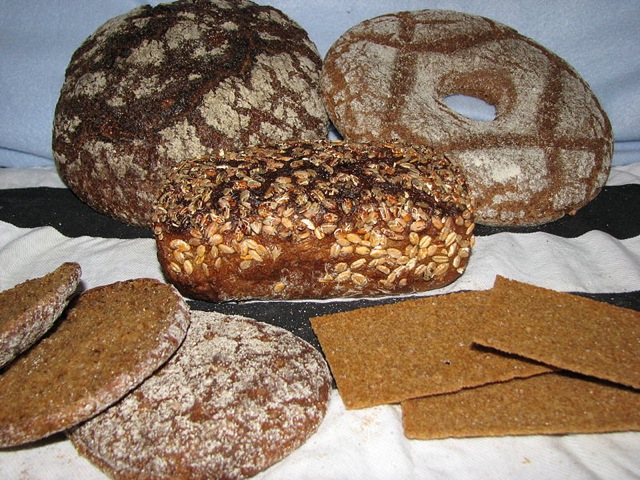
"And bring back as much bread as possible!"

800px-ruisleipa-limppu_reikaleipa_reissumies_hapankorppu-11.jpg

By Thomas Riggs

The above statement is one that is commonplace amongst Finns who are living abroad, especially when they are traveling back home for a visit and are instructed to return with Finnish bread.听Finns have a strong fondness for their breads, which are flavorful, healthful and chewy.

Well, I can tell you personally that Finnish bread is something special (at least in my opinion), particularly the dark rye bread 鈥 it is addictive.听I initially assumed that no Finnish 谤耻颈蝉濒别颈辫盲听(rye bread) was produced 听in the New York area, but was excited when I learned of a Finn, Simo Kuusisto,听who was producing Finnish and Scandinavian breads locally.听To get a better idea of what he is baking, you should visit his web page . The pictures alone will make your mouth water.听Now I don鈥檛 have to dream of somehow getting my hands on Finnish bread through some friend bringing me back some, but am enjoying it almost daily here in the US.

Finnish Christmas in New York

Whether they are celebrating Christmas in Finland or Abroad, most Finns consider December 24th to be the year鈥檚 most significant holiday.听While the season culminates in Christmas Day in many cultures, Finns place the most emphasis on Christmas Eve. Santa Claus visits children in person instead of sneaking in through the chimney, and many families plan the evening鈥檚 dinner menu for weeks in advance.听听Below are some reflections on Christmas by Jaana Rehnstrom, Finland Center鈥檚 president and a longtime expatriot. You can also find this article in the newest issue of .

By Jaana Rehnstrom

I love Christmas, always have. In my childhood in Finland, we would put the (vinyl) records with Christmas songs on and live with the music creating the mood during the whole of the Advent season. In fact, my three siblings and I used to love the music so much that my parents had to institute a rule that we could not play the records before November 1st.听The season culminated in Christmas Eve, when we would drive out to our country place and cut down a Christmas tree, and go home and decorate it; to be followed by a traditional meal and Santa visiting in person. There were presents and we could stay up as late as we wanted that night.听

For my own family here in New York, I have wanted to pass on some of those traditions. Christmas is different in Finland and in New York in a couple of ways: It seems to me that in New York, Christmas is just another one-day holiday 鈥 despite the ubiquitous seasonal decorations and marketing here in the US, in Finland we anticipate Christmas more. One example is the many pikkujoulu (pre-Christmas)听parties the Finns put up even here away from home. Also, since we are lucky to have a Finnish Lutheran Congregation here, my听 family participates in the event that marks the beginning of the Advent season, Kauneimmat Joululaulut (the Christmas carol singalong event). When the children were small, they always got their Advent calendars from Mummu in Finland.听As Christmas gets closer, we write our annual Christmas letter to friends and relatives, and debate whether to send it by email or on paper. We receive Christmas cards from friends around the world, including a lot of those plain postcard type Christmas cards from Finland, and hang them up by the fireplace. When my children were small, they loved baking gingerbread cookies and joulutorttuja听(prune tarts) with me; nowadays I鈥檓 lucky if I can get them to lend a hand. Mind you, they still love eating them!

The Christmas tree gets bought and decorated a few days before Christmas 鈥 there is simply too much to do to leave it to the last minute. We also put up decorations in the house 鈥 angels and elves made of various materials; some store-bought and some home-made by the kids when they were small.听They still get wrapped up and put away and taken out again each year.

On Christmas Eve, we have rice porridge for lunch, with the obligatory almond of course. We usually try to go to our other local (Episcopal) church to take part in at least one service during the season. For a number of years, my children sang in the children鈥檚 choir there, so the family schedule was much dictated by theirs. Still, we always managed to have a celebration beginning with late-afternoon 驳濒枚驳颈听while we sing Christmas songs, both in English and in Finnish (that is the only time in the year I get back to the piano to accompany us). This is followed by a reading of the Christmas story at the table, after which everyone digs in:听 the first course consists of herring, gravlax,听rosolli and boiled potatoes; this is followed by turkey and ham,听lanttulaatikko听(rutabaga casserole) and carrot casserole, along with some green vegetables.

We open presents in the evening accompanied by coffee and gingerbread plus joulutorttuja听and Finnish chocolates which we buy at the Christmas bazaar here. We often have guests 鈥 sometimes from abroad, or sometimes expat Finns. When the children were small and still believed in Santa Claus, one of the guests would all of a sudden 鈥渉ave to go check on his car, parked on the street鈥 鈥 missing Santa, who would arrive just at that time, from Lapland of course, with the presents. Since our townhouse has a fire escape outside leading to the third-floor living room, he would ascend the fire escape and climb in the window, with any little ones present hopping and shrieking with joy! We have miles of videotape of Christmas eves to watch, in my retirement I suppose.

Nowadays the evening ends quietly with everyone delving into their new books with Finnish and English Christmas music playing in the background; or we may decide we need fresh air, and take a walk to the late Christmas service at Grace Church. Personally, I prefer that schedule to getting up early on Christmas morning 鈥 especially these days with no horses, sleighs or even snow!

My secret life as a Saint

By Diane Saarinen

Some of you might know me as a reporter who writes for 听and 听but apparently, as this photo shows, I must have some kind of secret life as that Scandinavian light-bringer herself, Santa Lucia.

This all happened innocently enough. I help out with PR for , and back in November, Kris and I were planning events to hold in the studio during the holiday season. When she mentioned an indoor artisan fair that would take place mid-December, I noted that one of the planned dates would be December 13.

鈥淭hat鈥檚 the day Scandinavians celebrate Santa Lucia!鈥 I told Kris. 鈥淗ey, I have one of those crowns. Why don鈥檛 I dress up as Lucia and pay a visit to the gallery?鈥

Editor鈥檚 note: In many European nations, December 13th marks the annual Saint Lucia Day, a holiday devoted to Italian Saint Lucy (or Santa Lucia), the bearer of light. Finns commemorate the occasion by electing a local young woman to serve as an 鈥榦f鈥

Editor鈥檚 note: In many European nations, December 13th marks the annual Saint Lucia Day, a holiday devoted to Italian Saint Lucy (or Santa Lucia), the bearer of light. Finns commemorate the occasion by electing a local young woman to serve as an 鈥榦fficial鈥 Lucia and lead an annual parade in the Helsinki city center. In the Scandinavian tradition, Lucia wears a white dress, a red sash around her waist and a crown of candles.

We thought this was a great idea 鈥 better yet, I thought, since my crown is one of those battery-operated ones and not the kind that holds burning candles. Accidentally setting something on fire would be a hazard of the job I could live without. And never mind I couldn鈥檛 sing to save my life 鈥 this Lucia would simply pop in a CD and鈥 well what? I hadn鈥檛 thought it out that far. Walk around the gallery, I guess!

I did end up finding a copy at home of 鈥溾 [40 Most Beloved Christmas Songs], which included the Lucia song in Finnish, and sung by a children鈥檚 choir. Since this was shaping up to be a children鈥檚 event, this arrangement would be perfect. As for the white gown, a quick search through the L.L. Bean catalog produced a white nightgown that would do double duty as a saintly shift.

The day of the event, I made glogg (a Scandinavian Christmas drink) for the crowd. Not one to toil, I had found it at IKEA for $2.99 a bottle. My husband, Peter, helped me transport my wardrobe and accessories to the gallery, and referred to himself as Santa Lucia鈥檚 roadie.

So how did it go?

Fine! Now I know what it鈥檚 like to be a performer at children鈥檚 parties! The eager children, ranging in age from about three to five, were waiting for the mysterious lady dressed in white with candles on her head to 鈥渂ring back the light.鈥 I gave them each a battery-operated candlestick and they followed me around, as they would a Pied Piper, while the Finnish song played. They ate gingersnaps, drank glogg, and overall ended up with quite the sugar rush and ran around as expected. I heard from participating parents that it was a great success. Would I do it again? After seeing pictures of the excited faces of these children, I give a resounding 鈥淵es!鈥

Is there a Finnish sauna in New York City?

Sauna_2.jpg

By Thomas Riggs

The answer is:听Well, sort of.

Yesterday I went to the Russian & Turkish Baths in lower Manhattan, to see what they were like.听 Mind you, I had heard of this establishment in the past from a few Finns but had not followed through, as I didn鈥檛 see the words 鈥淔innish Sauna鈥 in the title. Upon entering the place, I noticed President Ahtisaari鈥檚 picture, along with other noted celebrities 鈥 now they can claim to have had a Nobel Peace Prize Winner as a customer!

Not claiming to be a sauna 鈥榤aster鈥 but having been to dozens of saunas here in the US and Finland,听I did not know what to expect from the Russian or Turkish versions.听Some things were immediately different. Swimsuits are mandatory, for example, and the whole operation is coed.听I went downstairs, which was quite full of people.听After doing a quick scan I noticed a good-sized cold water pool, and several different 鈥渟team鈥 rooms: Russian, Turkish, aromatherapy, and at the end of the hall, what appeared to be a traditional Finnish sauna. The tile was 鈥淩edwood Steambath,鈥 however 鈥 NOT Finnish Sauna.听There was something different in each one (The Russian one was very large and of stone/concrete, the Turkish had tiled walls and heating pipes under the wooden benches, the aroma therapy room was rather 鈥渇oggy",听and the Finnish Sauna had a nice smell of wood, and a stone oven).听What was surprising was the sauna had very few people in it at almost all times!

I tried all of the baths and I guess I favoured the sauna (surprised?) but overall it was a good experience.听Check the place out .

So, will there ever be in New York City, an operation dedicated solely to the Finnish Sauna?

An American in the Finland Center

By Thomas Riggs

Well, here is a response from an American who has joined the Finland Center and also volunteers to help promote advertisement in their newsletter/web page 鈥 which is a lot of fun.

My association with Finland/Finns/Finnish Americans goes back to my childhood, as some of my neighbours in Gloucester, MA were of Finnish descent. I was exposed to some of the traditional foodstuffs and of course sauna. I used to look at a magazine 鈥楽uomen Silta鈥 and would marvel at the pictures of the country 鈥 what a great looking place (I do have a fondness for forests). My late neighbor, Armas, worked in the granite quarries of Gloucester and Rockport, along with other Finns, who were a significant ethnic group in that trade.

Years ago I was the 鈥榟ouse man鈥 for a former Finnish ambassador to the UN (a job gotten through my Finnish girlfriend at the time) and later worked for the 听in NY. My first time in Finland was a real 鈥榗ulture shock鈥 as so many aspects of the country and the environment really are close to my heart. Through the years I have always put forward a good word about Finland and have gotten others to visit the country. Although, I realize that Finland is not a country for everyone as it鈥檚 not a place of excitement and the people are reserved but that is refreshing when you compare it to the hustle and bustle of a city like New York. It was rather interesting to see so many people not talking in public. Once in a restaurant, I noticed a couple come in and say practically nothing to each other except when ordering. But I must say, Finns don鈥檛 talk nonsense and they are straightforward, which I like. To me Finland is like a very special place tucked away in the north.

A few months ago I noticed a copy of the Finland Center newsletter and decided to become active with the Finnish community,听so I joined and volunteered to help out. Having the previously mentioned experience with the Finnish American Chamber of Commerce, it was decided I help with corporate involvement, which is what I do.

So, if there are any other Americans out there reading this blog and have any interest in Finland and the 3 C鈥檚 of The Finland Center (commerce, culture and community), don鈥檛 waste any time and join!

Happy Independence Day!

suomen_vaakuna.gif

December鈥檚 status as a season of celebration is arguably even more pronounced in Finland than here in the U.S. Many families light candles on Sunday mornings to commemorate the four Advents, and on December 13th the center of Helsinki is taken over by the annual St. Lucia鈥檚 Day parade. December 6th, meanwhile, is Finland鈥檚 official birthday, and provides a patriotic note to the already festive season. Exactly 91 years ago, Finland鈥檚 Parliament declared the former Grand Duchy of Russia an independent nation.

Perhaps the most notable Independence Day celebration is the Finnish President鈥檚 annual reception. Up to 2,000 politicians, military personnel, scientists, athletes, and other notable individuals are invited each year to the formal event. It鈥檚 consistently the year鈥檚 most viewed event on television.

The 海角乱伦社区 would like to wish all of our members and friends a festive and relaxing Independence Day!

Giving Thanks to Thanksgiving

8541.jpg

By Juha Himanen

About ten years ago, on a November afternoon, I was standing on Lexington Avenue in Manhattan, not knowing why there were no people around. It was Thursday afternoon and 鈥 now seemingly obvious 鈥 a Thanksgiving Day. Having just come from Finland, I had no idea about the concept of Thanksgiving. Not knowing really what to do, I met with another lost Finnish soul, we bought a bottle of whiskey, and went to his place on 30鈥檚 and 7th. While watching the crowds returning from the Parade, we finished the bottle and went down to have a turkey sandwich in a diner. It was not a bad Thanksgiving but hardly a one you would get in your top-ten list of the best parties.

So much has changed during these years. Now Thanksgiving, in a sense, has partly replaced Christmas for me. And I have always been a big Christmas person. It was actually so big for me when I was a child back in Finland that it was painful. And it was very painful for people around me in New York. People who couldn鈥檛 get me, with all the stories about the snow, the cleaning of the house, the cooking that started in October, the candles hand-made in a garage, the hunt for the perfect Christmas tree with my father in a complete darkness 7 o鈥檆lock in the morning, and the stars, the birds singing in the yard, and sleigh-rides to Christmas church.

By now I have completely embraced the whole concept of TG 鈥 as we tenderly want to call Thanksgiving. It has the very best elements of any important holiday with a touch of healthy sarcasm, like the obligatory football match and a case of Budweiser. This year, as several years in a row, I will be going upstate to听 my friends鈥 house. There will be a lot of cooking together with family and friends, walking outside breathing the fresh mountain air, and plenty of wine. Turkey will be served, I will make my 鈥榗reamy mushroom sauce鈥, probably a portion of 鈥槻当裘恫稻扁 (or 鈥榤ulled wine鈥), but most of all, it will be a day of being together, thinking nice, talking smooth, and having the feeling of 鈥榯ogetherness鈥. You will hear children laughing, music playing, and at some point the host will stand up, raise his glass, and make a toast for the occasion. And if you step outside, there won鈥檛 be anything else around than the eternal sky and the nature whispering in the frost: 鈥楶eace on earth鈥. Isn鈥檛 it beginning to look a lot like Christmas!

I probably started compensating parts of Christmas with Thanksgiving because it manages to avoid the excess hassle that occurs around Christmas in Finland. When you live in complete darkness for a hefty part of your life, you might have a tendency to overdo the 鈥楬oliday of Light鈥. And when it actually doesn鈥檛 take away the darkness, you can feel a bit ripped-off. Americans have the luxury to separate the 鈥榝amily get-together鈥 from the 鈥榩resent-giving frenzy鈥. But Finns never thought of it. But I鈥檓 taking full advantage and though my eyes will still get wet while caroling on Christmas Eve, on November 27th I will dedicate a specially warm toast to Americans who taught me to have another nice holiday, another party, and another reason to say 鈥楾erveydeksi 鈥 For Your Health鈥.

Ira Kaspi & Peter Engberg Jazz Up Salmagundi

By Laura Palotie

Jazz vocalist 听and guitarist 听have performed as a duo for the past eight years. Both academically trained (Kaspi graduated from Berklee College, Engberg from the Sibelius Academy and the Musicians鈥 Institute), the two add a jazzy spin onto a wide range of melodies, from jazz standards and original compositions to current pop and rock hits. Kaspi and Engberg host a monthly jazz club at Helsinki鈥檚 famous hotel Torni, play at jazz festivals and corporate events around Finland, and recently took their act to Prague.

Earlier this week, I caught up with Kaspi and Engberg over breakfast to find out more about their musical background and their reasons for paying a visit to America鈥檚 unofficial music capital.

What brings you to Salmagundi?

Ira: Jaana [Rehnstrom] heard us play at a jazz festival in Finland this summer. She was walking by and stopped to listen. I guess she enjoyed it, because she came over and invited us. We are really excited, because New York is such a wonderful place for musicians to visit.

Do you have any regular projects going on in Finland?

Peter: We perform once a month at Hotel Torni鈥檚 American Bar [in Helsinki]. Our gimmick is the idea that we invite pop and rock stars to sing jazz music. It鈥檚 something that people aren鈥檛 used to hearing. We do our own arrangements of their hit songs. Maija Vilkkumaa, Sakari Kuosmanen, Timo Rautio and Mariko have all performed with us.

Do you have any trouble convincing these singers to try out some jazz?

Peter: They are always really excited to join us.

Ira: Some even call and ask if they can participate, that they want to sing jazz too. A lot of these musicians really dig jazz as a genre. No-one鈥檚 said no yet.

Ira, are you purely a jazz singer or do you branch out to other genres too?

Ira: Well, I鈥檝e mostly been labeled a jazz musician. On occasion I鈥檝e thought that maybe it鈥檚 not such a good thing, but in the end my career has gone exactly how it was supposed to. Jazz is my arena, where I feel at home. I also sing quite a bit with big bands, and freelance a with other bands, so often I end up singing all kinds of genres.

Peter: Don鈥檛 forget to mention that you have your own school too.

Ira: Oh, yes, my music school, [called Rytmi Omena] in Lohja. I鈥檓 the CEO. It鈥檚 a school for pop and jazz music.听 There was really a need for something like that in the area, because although they had a very good classical music academy, young people still wanted to play rock. It鈥檚 an institute mainly geared for children and teenagers鈥搕he average age is between 12 and 15鈥搘e have adult students too.

What do you enjoy most about teaching?

Ira: The challenges are entirely different in teaching kids and professional musicians. Professionally geared students have a very firmly set ambitions and goals, whereas with kids there is a kind of 鈥渙ff the streets鈥-mentality to it. Music gives them something valuable to do. But it鈥檚 also the age where we can discover those, who have professional potential.

Have you been to New York before?

Peter: I鈥檝e only been to the airport, during a layover.

Ira: I got my music degree at Berklee School of Music in Boston in 1990, so I鈥檝e been before.

How did you end up at Berklee?

Ira: As a child, I went to American schools in Brussels and Stockholm, and always had that dream in the back of my mind to return to the US for college. My dad鈥檚 cousin, who lived in Boston, sent me the application papers. Boston is a lovely city, so it was a fantastic four years.

Do you have any particular things you have to see or do while in New York?

Peter: We actually plan on recording a song here. One of our friends recommended Uptime Studios.

Ira: We wrote a song specifically for this trip, that describes the feeling of breathing in and seeing and sensing the streets of New York. Even the lights are different here; they are all trapped inside halogen lamps, whereas in Finland the light seems to come from the stars. We wrote the song in a new way too, where we came up with the lyrics and the melody at the same time, in the same space. We really enjoyed it.

So how do you usually write your material?

Ira: Peter usually writes a melody based on my lyrics.

What should the audience expect on Friday night? Do you plan to only perform original songs?

Peter: We鈥檙e also going to do some standards.

Ira: And also some of the hit songs we鈥檝e covered as jazz versions with our visiting stars at Torni.

Peter: We recently performed in Prague, and it was so funny and unexpected when they said, 鈥榩lay something Finnish.鈥

You plan to come out with a new album next year. What should we look forward to?

Peter: We鈥檝e always done a lot of standards, so this one will probably include mostly original songs.

Q&A with artist Rea Nurmi

By Laura Palotie

Helsinki-born Rea Nurmi moved to the US in the mid-70's, and transitioned from a job as a designer at an engineering firm to visual art a decade later. Drawing much of her inspiration from living, evolving nature, Nurmi has gained international recognition through her Healing Walls murals in hospitals and nursing homes around the world. Her latest exhibit of pastel and acrylic paintings,听Sea Change, explores the vibrancy of water.

Last week I sat down with Nurmi to find out about her career, her work ethic, and what she considers to be the most rewarding aspect of her job.

What made you decide to transition from a career in engineering to being a full-time artist?

Nurmi: For better or for worse, I was looking for a change after too many years of doing straight, black lines. My body told me that I needed a change. This is called burnout nowadays, but I didn鈥檛 know then what it was. I was studying at night [to become an electronic engineer] and working full-time, and knew that I needed something else in my life. So I decided to start painting then, in 1986.

Before the mid-80's, you had little to no experience in painting or visual art. How did you transition into this new career?

Nurmi: Having been in a technical field, I already had a strong eye, and an understanding of proportions. I began by painting portraits, because they involve a lot of measuring. If you don鈥檛 achieve the accurate proportions, your subject stops looking like a real person. So in a way, I was using the skills I already had. By adding color onto the picture afterward, I was able to breathe life into it and make it feel less like a technical task.

Did you study art formally?

Nurmi: I took courses in painting and art history at Southern Connecticut State University, so I could gather all the required information, but I took these courses based on whatever I needed at the time. Later, when I received a grant from the Pastel Society of America, I studied with independent artists in New York.

What made you focus on Pastels?

Nurmi: I feel that pastel colors allow you to be more closely attached to the work itself. Pastels also have the brightest colors imaginable. In watercolors the paint is partially dissolved by water, and even with oil colors you add something else, but with pastels, there is just the color itself. Real red, for example, can only be achieved with pastels.

Where was your first exhibit?

Nurmi: Martha鈥檚 Vineyard [in 1988]. I was painting sea shells at the time; they were a challenge because seashells are round and then hollow, so they are difficult objects to paint. I鈥檇 set up the shells onto the sand and paint them like I would paint a landscape. And because of its island location, Martha鈥檚 Vineyard was a good place for the exhibit.

How about your current solo show,听Sea Change? What was the artistic motif behind this exhibit?

Nurmi: I painted water. It鈥檚 the idea that everything moves and changes, just like I, as an artist, have changed, whether I was changing my career or changing my artistic subjects. Nothing stays the same鈥損eople get older, have children and change careers, and life moves forward. Water is an element that constantly changes. I portray fish swimming below the surface of the water and birds flying above it, but water is always part of the process.

What鈥檚 your work routine? When and where do you paint?

Nurmi: I paint at home, never outside. But when the mood strikes, I produce a lot. And then sometimes there are several months in between where I don鈥檛 paint. Running my own company, I need to reserve time for marketing, so I can鈥檛 paint all the time.

Do you do other work besides paint?

Nurmi: Sometimes I do contract work because I speak Finnish鈥揻or example, I鈥檓 an interpreter for the U.S. State Department, so every once and a while I get a call from there. Sometimes I also do translation work. I love meeting people and talking to them, but as an artist you don鈥檛 meet anyone or talk to anyone. You create the work yourself. So having a chance to meet people is wonderful.

Where did the idea for Healing Walls come from?

Nurmi: I decided that art is more than just for the rich galleries and the well-to-do people. Art is healing as it is. You look at something beautiful and you feel calm and peaceful, and of course some images make you enraged as well. Pictures generate emotion. I thought that art should be taken to places in which it鈥檚 most needed, as a calming idea. I wanted to bring nature, the outdoors, into places where it鈥檚 most needed, so now I paint healing gardens and seascapes in hospitals and nursing homes. It鈥檚 been my most rewarding work because I either paint alone or with the nurses, doctors, patients, or residents at nursing homes. These people aren鈥檛 patients like at hospitals, they are residents because it鈥檚 their home. It鈥檚 been absolutely the most rewarding work for me, and I do a lot of it now. Through Healing Walls, I鈥檓 sharing the process of art, which was so meaningful for me when I started that it literally changed my life.

What are some of the responses you get for your work, particularly your murals?

Nurmi: Most of the time they love that I do it. Many elderly people at these nursing homes want to be part of the painting process, but most people are absolutely afraid of it. And my healing technique in the world is 鈥榡ust try it.鈥 When they say they can鈥檛 paint, I take their hand and say 鈥榦h, it moves up and down, that鈥檚 all you need to do in painting.鈥 I need a lot of blue and green in my work, and anybody can help me with that. And then if they are interested and eager they can do flowers or whatever, and I can add the details. I just help them take a brush in their hand, and some people have actually continued to paint on their own, which is the greatest thanks for me. That I鈥檝e gotten someone started.